
What Are Allergies?
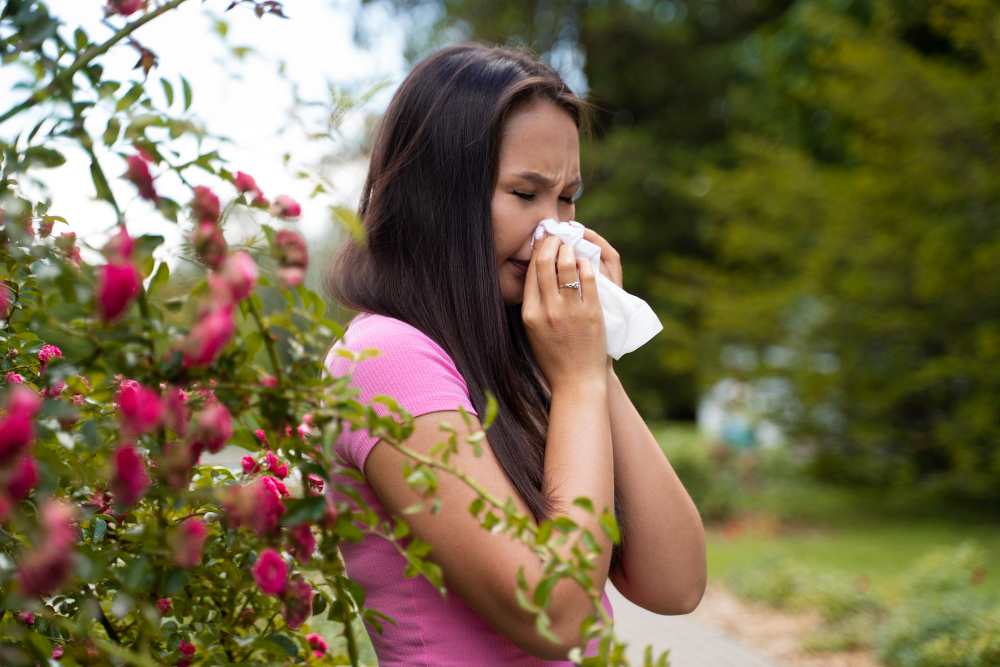
Allergies are common health problems that affect people of all ages. When your body reacts to something harmless, like pollen or dust, you may have an allergy. In fact, allergies can cause sneezing, itching, or even more serious symptoms. Because allergies are so common, it is important to know what causes them. This knowledge can help you avoid triggers and stay healthy.
Common Causes of Allergies
Many things can cause allergies. These are called allergens. Some people react to one allergen, while others may react to several. For example, you might notice symptoms only in spring, or you may have them all year. Here are some common causes of allergies:
Because these allergens are everywhere, it is important to know which ones affect you.
How the Immune System Reacts
Your immune system protects you from germs. However, sometimes it makes a mistake. When you have an allergy, your immune system thinks a harmless substance is dangerous. As a result, it releases chemicals like histamine. These chemicals cause allergy symptoms, such as sneezing, itching, or swelling. In some cases, the reaction can be severe. For example, some people may have trouble breathing after eating certain foods. Therefore, understanding your immune system’s role is key to managing allergies.
Environmental and Genetic Factors
Both your environment and your genes can affect your risk of allergies. If your parents have allergies, you are more likely to have them too. This is because allergies can run in families. However, where you live also matters. For instance, people in cities may have more problems with air pollution and dust. On the other hand, those in rural areas may be exposed to more pollen or mold. Because both genetics and environment play a role, it is important to consider your family history and surroundings.
Everyday Triggers
Many things you see or touch each day can trigger allergies. Some of the most common triggers include:
Because these triggers are often hard to avoid, knowing what affects you can help you take action. For example, keeping windows closed during high pollen days can reduce symptoms. In addition, regular cleaning can lower dust and mold in your home.
Prevention Tips and Lifestyle Guidance
While you may not be able to avoid all allergens, there are steps you can take to reduce your risk. Here are some helpful tips:
Because prevention is key, these simple changes can make a big difference. Also, talk to your doctor about allergy testing if you are not sure what causes your symptoms.
In summary, understanding the causes of allergies can help you manage your health. If you have questions or need help, consult a general physician for personalized advice on managing allergies.
Sources: Centers for Disease Control and Prevention (CDC), World Health Organization (WHO)