
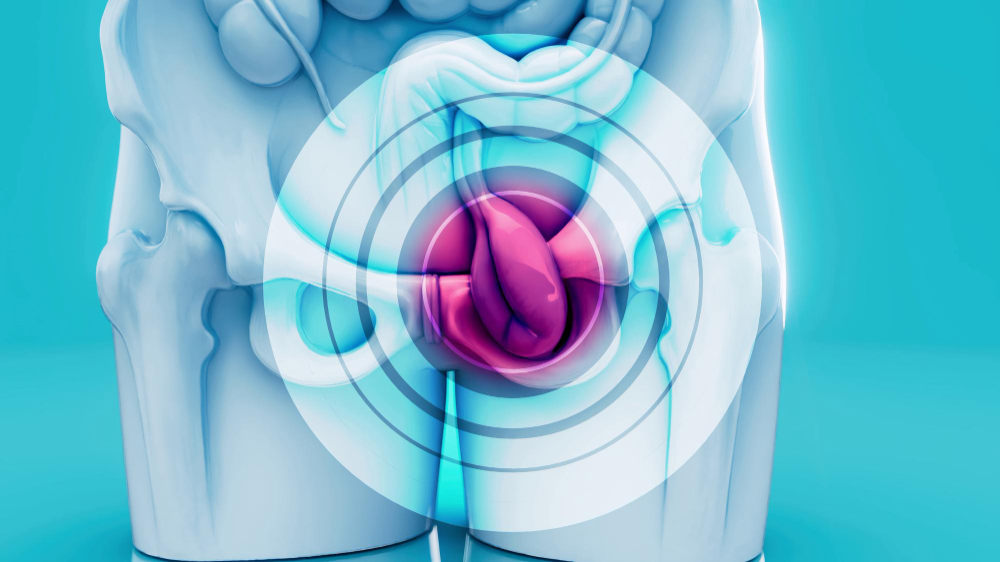
Introduction to Laser Piles
Piles, also called hemorrhoids, are swollen veins in the lower rectum or anus. Many people now choose laser piles treatment because it is less painful and has a faster recovery. Laser piles surgery uses focused light to treat the affected area. This blog explains symptoms, diagnosis, laser piles procedure, and prevention tips. Understanding these can help you make informed decisions about your health.
Symptoms of Laser Piles
Piles can cause discomfort and other symptoms. Early detection is important. Common signs include:
However, not everyone will have all these symptoms. If you notice any of these, seek medical advice.
Causes of Laser Piles
Piles develop due to increased pressure in the lower rectum. Several factors can lead to this condition. For example, common causes include:
Because these factors are common, piles can affect people of all ages.
Diagnosis of Laser Piles
Doctors use several methods to diagnose piles. First, they ask about your symptoms and medical history. Next, they may perform a physical exam. Sometimes, a gentle inspection of the anal area is enough. In other cases, doctors use tools like:
Early diagnosis helps in choosing the right treatment. According to the World Health Organization (WHO), timely care can prevent complications.
Laser Treatment for Piles: Procedure and Benefits
Laser treatment for piles is a modern, minimally invasive option. During the laser piles procedure, a doctor uses a focused laser beam to shrink or remove the swollen veins. The process is quick and usually takes less than 30 minutes. Most patients go home the same day.
The benefits of laser piles surgery include:
Because of these advantages, many people prefer laser piles treatment over traditional surgery. Studies published in peer-reviewed medical journals support its safety and effectiveness.
Recovery and Aftercare
After laser piles surgery, most people recover quickly. However, proper aftercare is important. Here are some tips for a smooth recovery:
Usually, you can return to normal activities within a week. If you notice severe pain, heavy bleeding, or fever, contact your doctor right away.
Prevention Tips
While not all piles can be prevented, you can lower your risk. Consider these simple steps:
By following these tips, you can help prevent piles from developing or coming back.
Frequently Asked Questions about Laser Piles
For more information, consult reliable sources like the World Health Organization (WHO) or your healthcare provider.
Consult a general physician or specialist for personalized advice on laser piles treatment.