
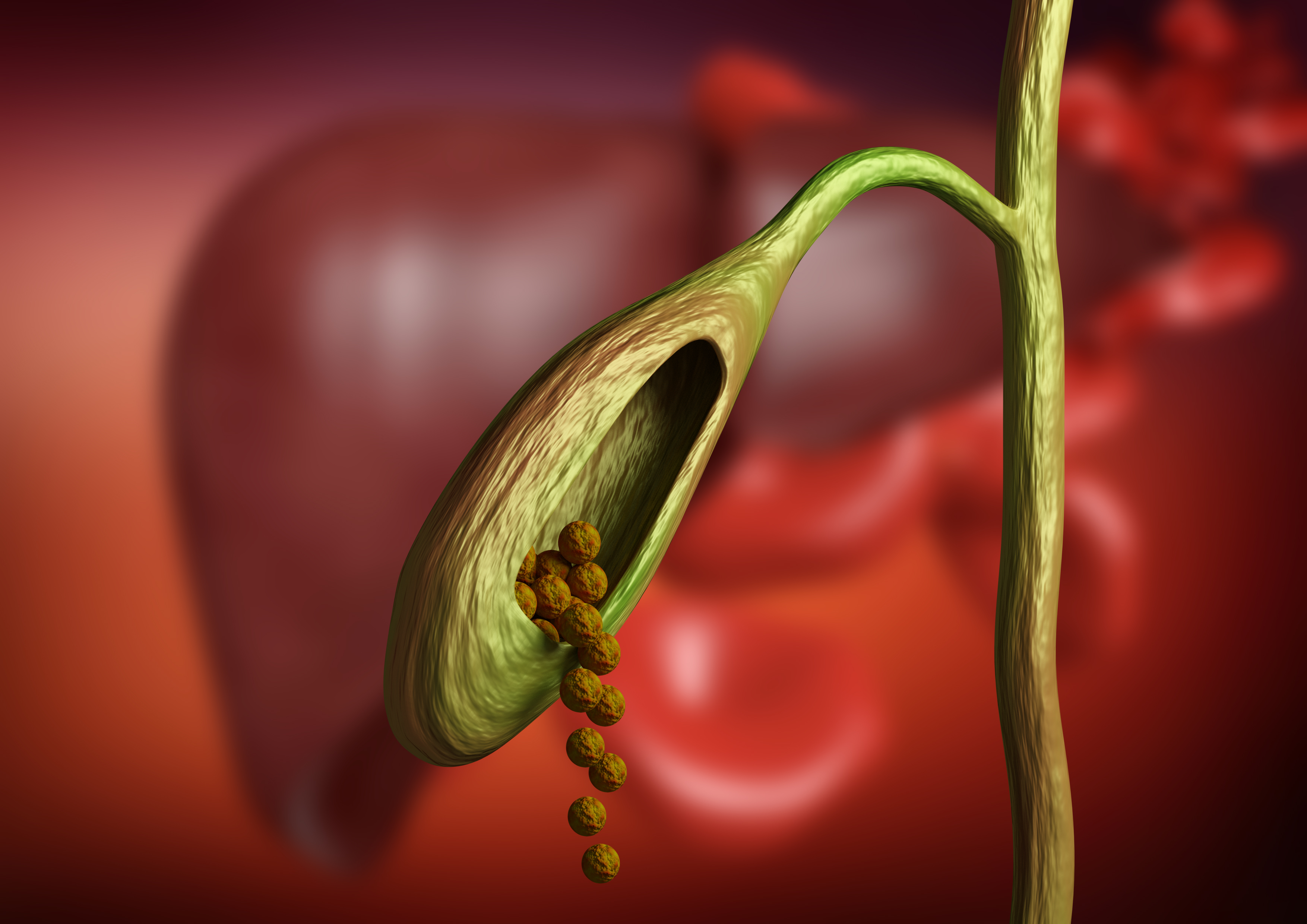
What is Gall Bladder Surgery?
Gall bladder surgery is a common procedure to remove the gall bladder. Doctors often call this operation a cholecystectomy. The gall bladder is a small organ under your liver. It stores bile, which helps digest fat. Sometimes, the gall bladder can cause problems, so surgery is needed. Many people wonder what to expect after gall bladder surgery. This guide will help you understand the process and recovery.
Reasons for Gall Bladder Surgery
There are several reasons why doctors suggest gall bladder surgery. Most often, it is due to gallstones. These are small, hard pieces that form in the gall bladder. They can block the flow of bile and cause pain. Other reasons include:
If you have pain, fever, or yellow skin, you should see a doctor. Early treatment can prevent more serious problems.
Preparing for Surgery
Before gall bladder surgery, your doctor will give you instructions. You may need some blood tests or scans. These help your doctor plan the best approach. Usually, you should not eat or drink for several hours before surgery. Your doctor may also ask you to stop certain medicines. For example, blood thinners may need to be stopped. Always follow your doctor’s advice closely. Bring a list of your medicines to the hospital. This helps the team keep you safe.
The Surgical Procedure
There are two main types of gall bladder surgery. The most common is laparoscopic surgery. In this method, the doctor makes small cuts and uses a camera to guide the tools. Most people recover faster after this type. Sometimes, open surgery is needed. In this case, the doctor makes a larger cut in your belly. This may be necessary if there are complications or severe infection. During the operation, you will be asleep under general anesthesia. The surgery usually takes one to two hours.
Recovery Process
After gall bladder surgery, you will wake up in a recovery room. Nurses will check your vital signs and help you manage pain. Most people can go home the same day after laparoscopic surgery. However, some may stay overnight. If you had open surgery, you might stay in the hospital for a few days. At home, you should rest and avoid heavy lifting. You may feel tired for a week or two. Here are some tips for a smooth recovery:
If you notice fever, redness, or swelling, call your doctor right away. These could be signs of infection.
Possible Risks and Complications
Gall bladder surgery is safe for most people. Still, like any surgery, there are some risks. Common risks include:
To lower your risk, always follow your doctor’s advice. Let your doctor know about any health problems you have. This helps them plan your care and avoid complications.
Lifestyle and Diet After Surgery
After gall bladder surgery, your body will adjust to digesting food without the gall bladder. Most people can eat a normal diet after a few weeks. However, some foods may cause discomfort at first. For example, fatty or spicy foods can be harder to digest. To help your body adjust, try these tips:
If you have ongoing stomach upset, talk to your doctor. They can suggest changes to your diet or medicines if needed.
Prevention and Long-Term Care
Even after gall bladder surgery, it is important to care for your health. Eating a balanced diet and staying active can help. Here are some long-term tips:
By following these steps, you can support your digestion and overall health.
Conclusion
Gall bladder surgery is a common and safe procedure. With the right care, most people recover quickly. If you have questions or concerns, consult a healthcare professional for personalized advice about gall bladder surgery.