
What is Type 2 Diabetes?
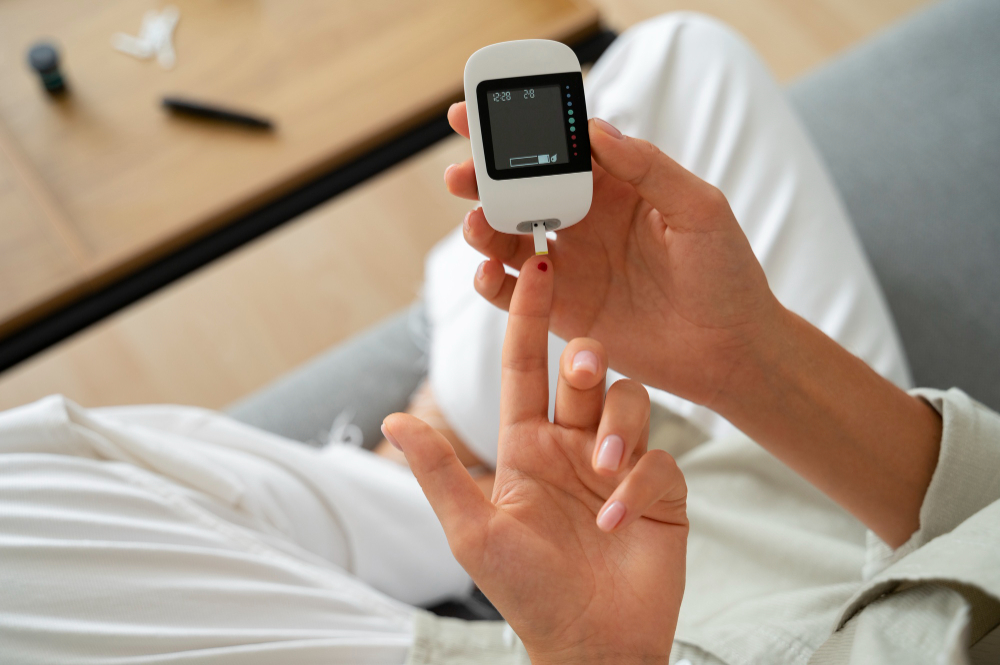
Type 2 diabetes is a long-term health condition. It happens when your body cannot use insulin well. Insulin is a hormone that helps control blood sugar. Because of this, blood sugar levels get too high. Over time, high blood sugar can harm your heart, eyes, kidneys, and nerves. In the United States and around the world, type 2 diabetes is very common.
Can Type 2 Diabetes Be Reversed?
Many people ask if reversing type 2 diabetes is possible. In some cases, you can put type 2 diabetes into remission. This means your blood sugar stays in a healthy range without medication. However, you must keep up healthy habits to stay in remission. While not everyone can reverse diabetes, many can improve their health with the right steps.
Symptoms and Early Warning Signs
Early signs of type 2 diabetes can be easy to miss. Still, knowing the symptoms helps you catch it early. Watch for these signs:
If you notice these symptoms, talk to your doctor soon. Early action can make a big difference.
Causes and Risk Factors
Type 2 diabetes develops over time. Several factors raise your risk. For example, you are more likely to get it if you:
Even so, anyone can develop type 2 diabetes. Making healthy choices can lower your risk.
Diagnosis and Monitoring
Doctors use simple blood tests to check for type 2 diabetes. The most common tests include:
Once diagnosed, regular monitoring is important. This helps you and your doctor track your progress. It also helps you spot problems early.
Evidence-Based Strategies for Reversing Type 2 Diabetes
Research shows that some people can achieve type 2 diabetes remission. The CDC and other experts recommend these proven steps:
With these strategies, you may lower your blood sugar and improve your health. However, results can vary for each person.
Lifestyle Changes: Diet, Exercise, and Weight Management
Making lifestyle changes is key to reversing type 2 diabetes. For example, a healthy diet can help you control blood sugar. Try these tips:
Exercise is also important. Aim for at least 150 minutes of moderate activity each week. Walking, biking, or swimming are good choices. Even small changes, like taking the stairs, can help. Losing just 5-10% of your body weight can make a big difference. Many people search for a “reversing diabetes diet plan” or “how to reverse type 2 diabetes naturally.” While there is no single plan for everyone, healthy eating and regular exercise are always helpful.
Medical Treatments and Professional Support
Sometimes, lifestyle changes are not enough. In these cases, your doctor may prescribe medication. Common medicines help lower blood sugar. Some people may need insulin. However, with the right support, you may be able to reduce or stop some medicines. Always talk to your doctor before making changes. In addition, diabetes educators, dietitians, and support groups can help you stay on track.
Prevention Tips and Long-Term Management
Even if you are at risk, you can take steps to prevent type 2 diabetes. Try these prevention tips:
Long-term management is important. Even after reaching remission, you need to keep up healthy habits. This helps prevent the diabetes from coming back.
Frequently Asked Questions
Conclusion and Next Steps
In summary, reversing type 2 diabetes is possible for some people. Early action, healthy habits, and support from your healthcare team can help. Remember, each person’s journey is unique. For the best results, consult a healthcare professional for personalized advice on reversing type 2 diabetes.